
The short answer: aftershocks are normal after a big earthquake and can continue for weeks — on their own they don't mean another one is coming. Rebuilding will take months and years. And from now on, the help that matters most isn't the first-impulse kind, but the steady kind. This is the final instalment of the series: what comes next, and how to be part of it from here.
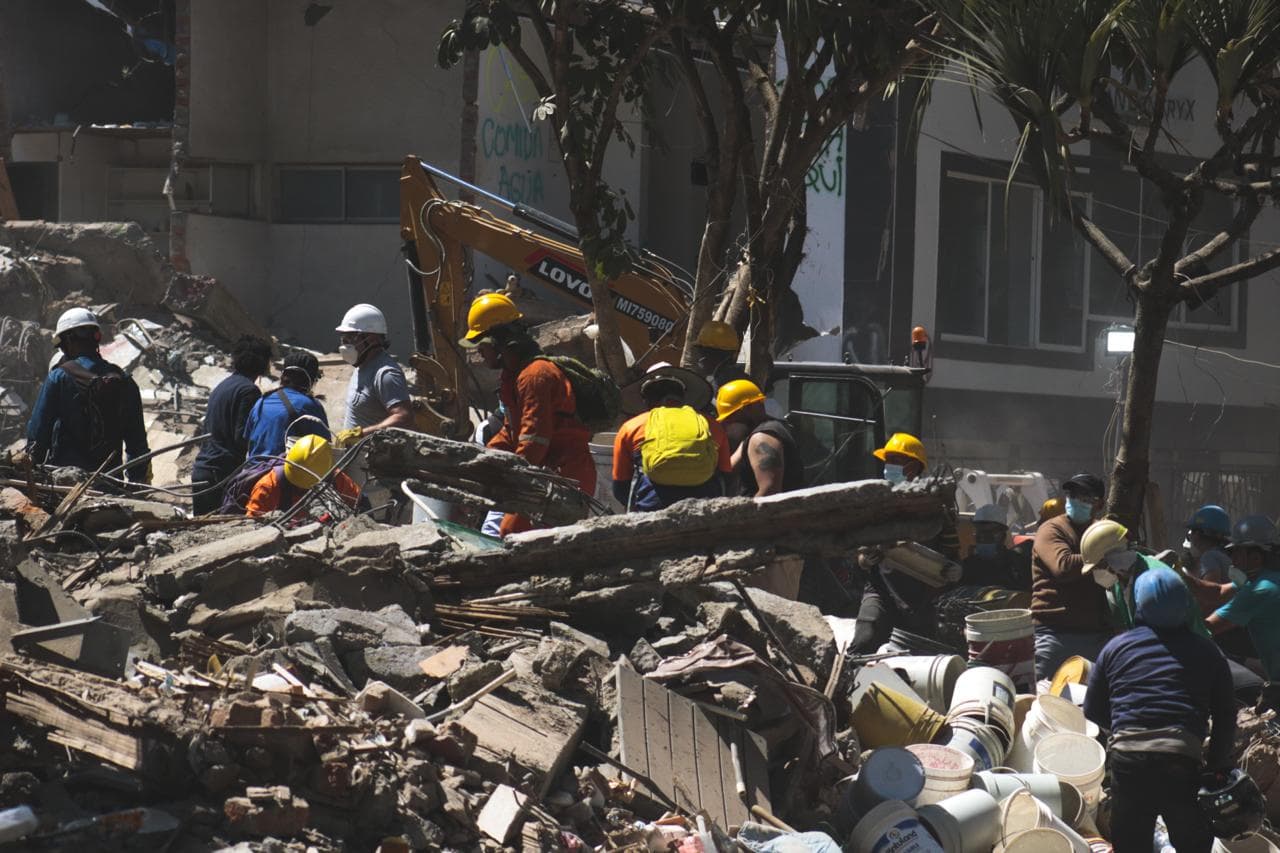
The official UNGRD toll, as of 15 August (6:30pm): 289 people dead, 3,937 injured and 143 missing, with 353 rescued. Note a change that can confuse: the missing count dropped from nearly 380 to 143 after de-duplication — cross-checking the early verbal reports against official records — which doesn't mean those people turned up alive; it means the count is now more accurate (Publimetro).
How long will the aftershocks go on?
They can continue for weeks, even months — and that's expected, not a sign of something worse. The Colombian Geological Service had already counted more than 130 aftershocks by day two, with magnitudes between 0.6 and 4.8 (Infobae), and they've kept coming. The rule to pass on to your family: the official SGC and UNGRD accounts are the only sources for what each tremor was — not the WhatsApp chains "predicting" the next one, because earthquakes cannot be predicted. Anyone announcing a date and time is not telling the truth.
The practical part for your people: if their building was tagged as damaged by the assessors, don't go back in, even if the aftershock didn't move it; and keep the go-bag ready (documents, water, torch, charger). If someone in your family is still missing, the verified lines from day 2 remain open.
What comes next? Rebuilding, in phases
The size of the task: more than 11,000 homes destroyed, some 44,900 damaged and 162 buildings collapsed (El País de Cali). The Government announced a three-stage plan — immediate relief, technical assessment, and rebuilding with the construction sector — starting with rent subsidies for families left without a roof and relief on utility bills, while Congress works on a law to speed up housing subsidies (Portafolio).
And what do you do from London with this? Two concrete things: let your family know these schemes exist (they apply over there, through the official channels of the local council and the UNGRD — never through "fixers" who charge for the paperwork), and cover the rent or the groceries while the subsidy arrives, because paperwork takes longer than hunger. For that, day 3's remittance guide remains your best tool.
How do you keep helping without burning out?
Week two is when the cameras leave and the need stays. The help that matters most now looks less like a sprint and more like a habit:
- Small and steady beats big and once. A £5 monthly recurring donation sustains what a one-off £50 can't. From the UK there are two channels focused directly on Colombia: Oxfam GB's appeal and Children Change Colombia, a UK-registered charity that has worked there for decades — plus the usual ones from day 1.
- The DEC has not launched a Colombia appeal (we checked before publishing). If it does — as it did for Venezuela in July, with the UK Government matching every pound — we'll report it here the same day.
- A sustained remittance is humanitarian aid with a first name. If you can turn this week's extra transfer into a fixed monthly one during the rebuild, that's a roof getting repaired and children not changing schools.
- Your fundraiser with a face still counts — day 4's guide explains how to run one people can trust. And if you organise something in London, tell us: we'll verify it and announce it.
The complete series, to save and share
Five days, five guides that stay right here for whatever comes: how to help through verified channels · how to find someone from abroad · how to send money that arrives whole · how to join in or run a serious fundraiser · and this one. Save them, share them with the button below, and come back whenever you need them.
To those clearing rubble, those who sent money this week, those who lent a sofa, and those who could only share a verified link: all of that is rebuilding. Whatever comes next, we do it together — steadily.
Figures as of 15 August 2026, 6:30pm (UNGRD); aftershocks as of the 12th (SGC). If the DEC launches a Colombia appeal, this page will be updated the same day.