
This week the remittance isn't the usual monthly one: it's the zinc roof, the week's groceries, the bus fare for someone who lost their home. The short answer: send by app straight to an account or a mobile wallet (Nequi or Daviplata), compare what ARRIVES rather than what they charge, and distrust any "zero fee" that won't show you the exchange rate. Our table for sending money to Colombia is always ordered by what reaches the other end — never by anyone's commission.
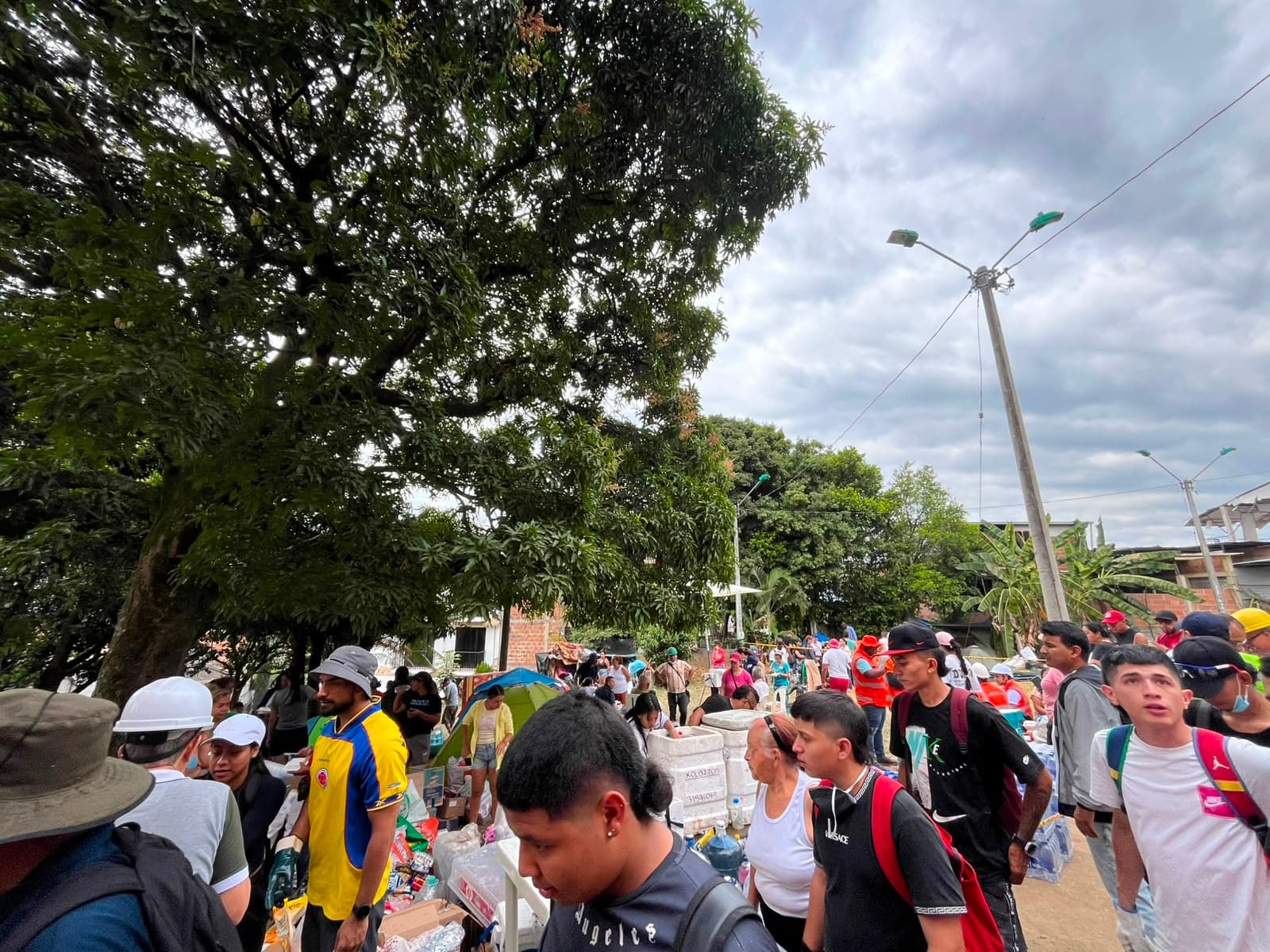
The context, with the first consolidated official toll: as of 14 August the UNGRD reports 284 people dead, 3,977 injured and 379 missing, with 49,214 people affected across 403 municipalities in 14 departments — Valle del Cauca and Risaralda hit hardest (El Tiempo, Infobae). More than 70,000 homes damaged: that's why the money you send this week matters more than ever — and why it has to be sent well.
What's the fastest way to get it there today?
To a mobile wallet: Nequi or Daviplata. If your relative has either, apps like Remitly or WorldRemit pay straight in, usually within minutes — and they don't depend on the bank branch or the corner payout point being open, which in the hit areas is no small thing: hundreds of premises are damaged or closed. With the wallet, your relative pays for groceries from their phone or withdraws at a cash machine.
If they prefer a bank account, Wise transfers to the big banks (Bancolombia, Davivienda, Banco de Bogotá, Occidente, BBVA) at the real mid-market rate with the fee in plain sight. Cash for counter collection, this week, leave as a last resort in the affected areas: it means travelling, queueing, and the payout point actually being open.
Is "zero fee" really zero? Almost never
The fee you see is half the story; the other half is in the exchange rate. A "no fee" transfer with a margin hidden in the rate can cost you more than one with a visible fee: with some traditional services that margin runs up to 6%. The honest sum goes like this: how many pesos does my family receive for my £100? — that number, not the "fee", is what our Colombia corridor table compares, ordered by what arrives. Full stop.
What about emergency promotions? After Venezuela's earthquake in June, several operators waived fees temporarily. For Colombia, as of today, we have not verified any zero-fee promotion. If an operator launches one, we'll list it here the same day — don't trust forwarded screenshots without an official link.
The three mistakes that cost the most money this week
- Sending in a hurry through the usual channel without comparing. The gap between the best and worst £200 transfer can be a whole week's groceries. Two minutes on the table are worth it.
- Accepting "I'll give you a better rate" from someone in the group chat. After every tragedy the informal money-changers and fake accounts bloom — the same thing we warned about with the collections: with no registered company behind it, your money has no one to claim from.
- Sending in the name of someone who can't collect. If your relative's cédula is under the rubble, cash pickups in their name get stuck. The wallet or the account need no counter; and to replace documents, the Registraduría has activated free duplicates for those affected and mobile ID drives in the hit areas — in Cali and Chocó on 20 and 21 August (Semana, El Espectador).
Send money or donate? Both — each through its own channel
If it's for your family, a direct remittance — it arrives today and they know better than anyone what's needed. If it's for those affected in general, don't send remittances to strangers: use the verified channels in our day-one guide — British Red Cross, UNICEF UK, the Colombian Red Cross or the Government-authorised bodies. And if you're searching for someone you haven't heard from, here's the step-by-step.
The UK is the fourth-biggest sender of remittances to Colombia in the world. This week, that quiet craft you've practised for years is literally humanitarian aid — just with a first name and surname on it. Do it as always, but do it sharp: compare, send to the wallet, and let every pound cross the ocean whole. Fuerza, parceros.
Figures as of 14 August 2026 (consolidated UNGRD toll); the comparison table's costs are reviewed weekly. Seen an emergency transfer promotion? Send it to us with the official link and, once verified, we'll add it.